GET A QUOTE FOR SANDBLASTING & ABRASIVE BLASTING SERVICES
Tell us your steel specifications, blast profile requirement, and project timeline.
Our sales team will respond within one business day with a detailed quotation.

55+ Years of Steel Excellence

Nationwide Delivery

Complete Steel Range

Serving Luzon Visayas, Mindanao
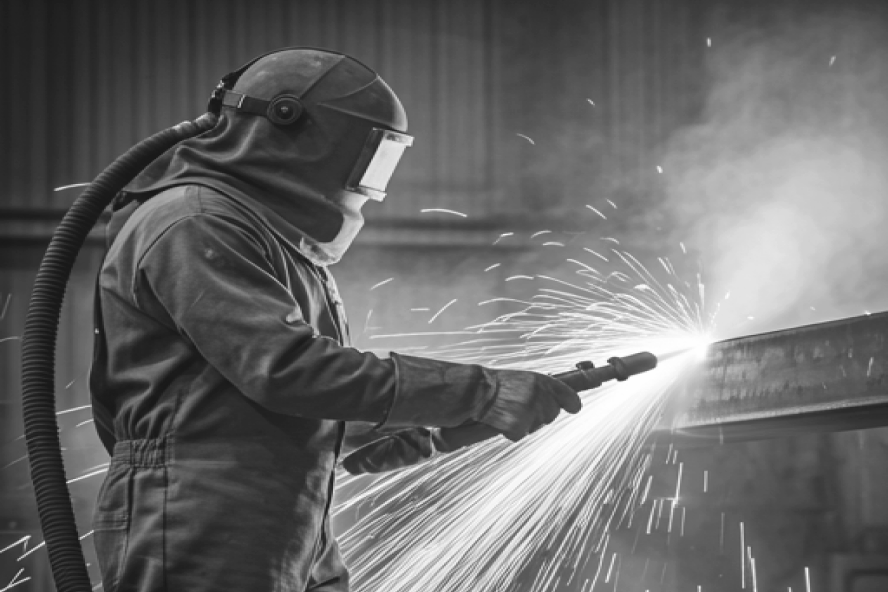
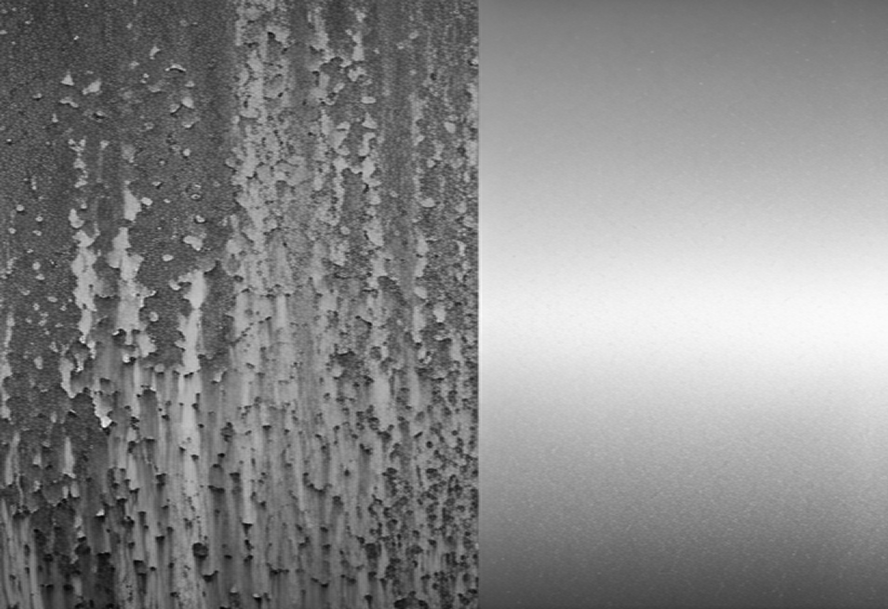
Sandblasting services in the Philippines — also known as abrasive blasting — are a critical surface preparation step before any protective coating, galvanizing, or painting is applied to structural steel. At Regan Industrial Sales Inc., our Quezon City facility uses high-pressure abrasive blasting to remove mill scale, rust, old paint, and surface contaminants from steel sections, pipes, and fabricated assemblies.
Proper surface preparation is the single most important factor in the long-term performance of any coating system. A sandblasted surface with the correct blast profile creates the mechanical anchor pattern that allows primers, epoxies, and zinc coatings to bond at full adhesion strength — reducing the risk of premature coating failure on Philippine construction and infrastructure projects.
Removes mill scale, corrosion, and contaminants to bare metal.
Blast profiles per SSPC SP6, SP10, and ISO Sa 2.5 / Sa 3 standards.
Steel grit, garnet, glass beads — matched to application and finish.
Ideal before galvanizing, epoxy, paint, or powder coating systems.
Before the galvanizing bath, components are quenched in water or air- cooled to solidify the coating and lock it to the substrate. Each batch is visually inspected for bare spots, drips, or uneven coverage.
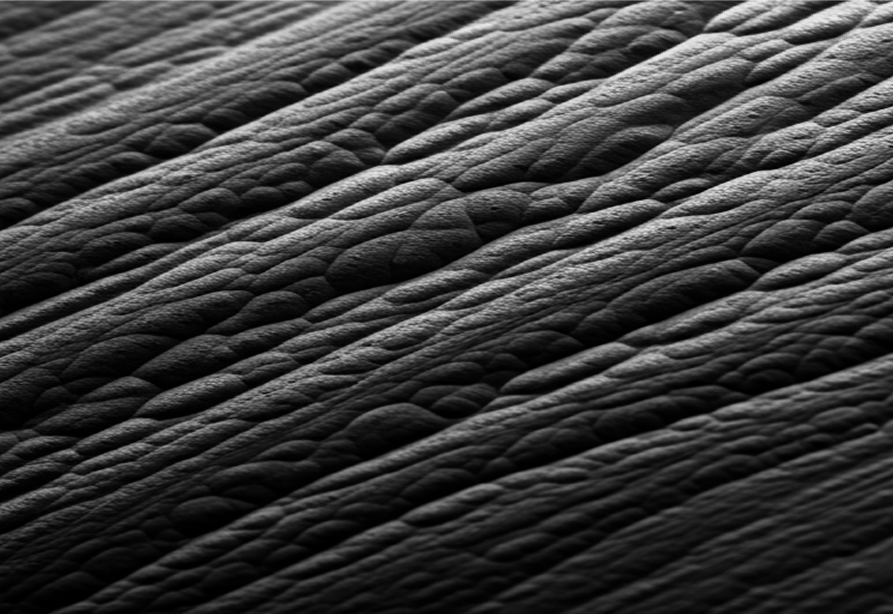
Beyond cleaning, sandblasting creates a controlled surface roughness — known as the anchor profile — that gives protective coatings a mechanical grip on the steel substrate. The peak-to-valley depth of the profile is measured in microns and must fall within the specification range of the coating system being applied.
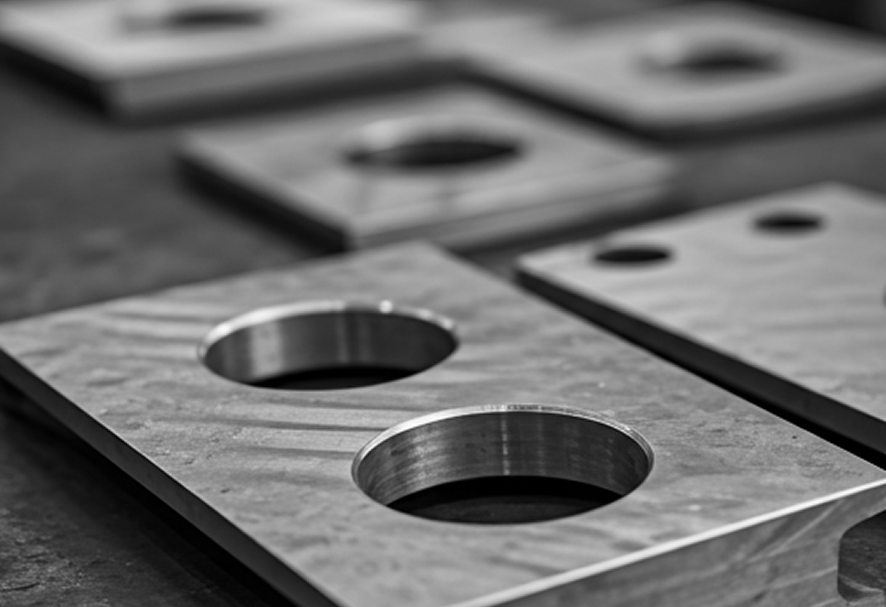
Steel components produced by cutting, drilling, or stamping often have sharp burrs and rough edges that must be removed before coating or assembly. Sandblasting effectively removes these burrs without the dimensional changes caused by mechanical grinding, and simultaneously prepares the surface for coating in a single operation.
Why Contractors Choose Regan
Complete steel range under one roof.
Products plus value-added processing services.

We deliver across Luzon, Visayas & Mindanao.

55+ years serving the construction industry.

Quality steel at competitive prices.

Easy quotation, fast response.
Sandblasting, also called abrasive blasting, is a surface preparation process that uses pressurized abrasive material to remove rust, mill scale, paint, coatings, and other contaminants from steel and metal surfaces.
Sandblasting is commonly used on structural steel, steel plates, pipes, tanks, beams, fabricated components, machinery parts, railings, frames, and other metal surfaces. Suitability depends on the material, condition, thickness, and required surface finish.
Abrasive blasting cleans and roughens the steel surface, helping primers, paints, and protective coatings bond more effectively. Proper surface preparation can improve coating performance, appearance, and service life.
Yes. Abrasive blasting can remove rust, scale, old paint, and many existing coatings. The abrasive type, pressure, and blasting method should be selected according to the surface condition and required preparation standard.
Provide the item type, material, dimensions, quantity, estimated surface area, current surface condition, required finish or preparation standard, project location, and target schedule. Photos, drawings, or coating specifications can help the team assess the work.
Tell us your steel specifications, blast profile requirement, and project timeline.
Our sales team will respond within one business day with a detailed quotation.