GET A QUOTE FOR GALVANIZING SERVICES
Tell us your steel specifications, blast profile requirement, and project timeline.
Our sales team will respond within one business day with a detailed quotation.

55+ Years of Steel Excellence

Nationwide Delivery

Complete Steel Range

Serving Luzon Visayas, Mindanao
Hot dip galvanizing services in the Philippines are essential for structural steel exposed to outdoor, industrial, or coastal environments. At Regan Industrial Sales Inc., our galvanizing process bonds a protective zinc coating to the steel surface, creating a metallurgical barrier that prevents rust, oxidation, and atmospheric corrosion.
Our Quezon City facility operates a fully controlled pre-treatment line — from chemical cleaning and pickling to fluxing — ensuring the zinc adheres uniformly to every surface. The result is a consistent coating that complies with international standards and extends the operational life of your structural components.
Zinc acts as sacrificial anode, protecting
steel in harsh environments
Coating thickness meets international
structural galvanizing standards
Beams, angle bars, perforated plates,
fabricated assemblies
Efficient production line with prompt
delivery to job sites
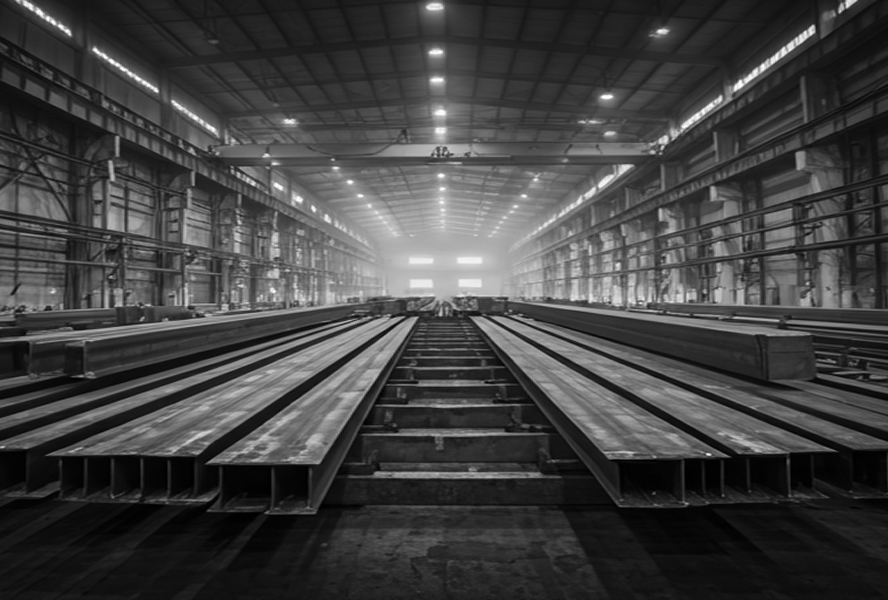
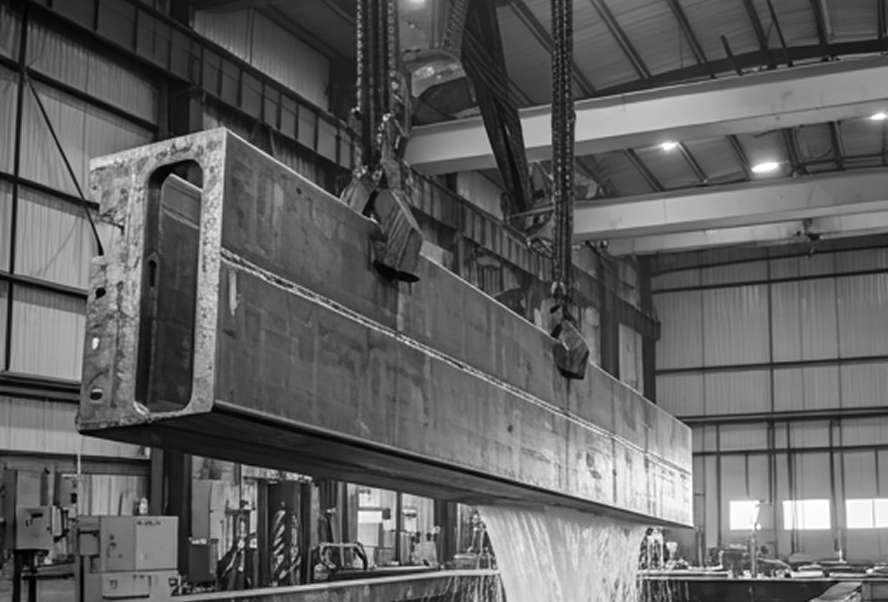
Before the galvanizing bath, components are quenched in water or air- cooled to solidify the coating and lock it to the substrate. Each batch is visually inspected for bare spots, drips, or uneven coverage.
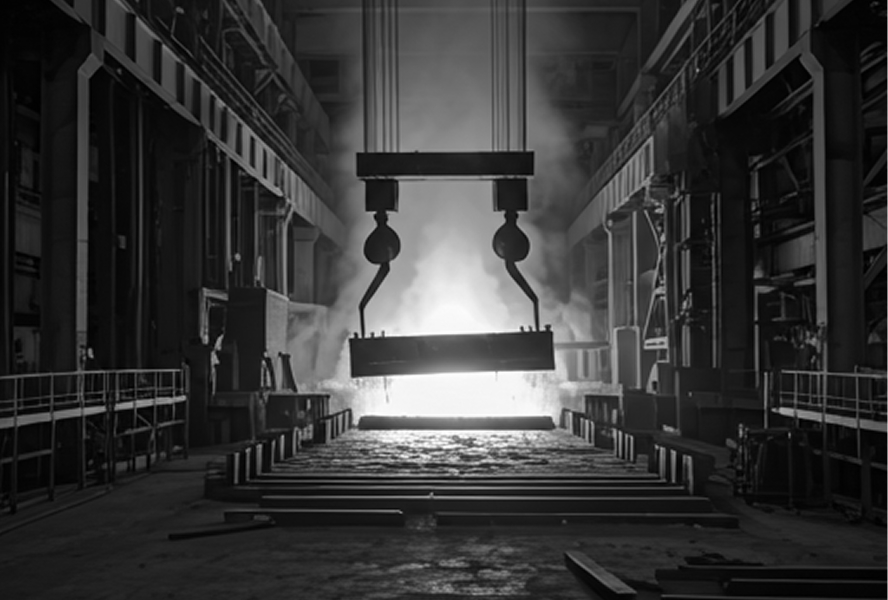
Prepared steel components are immersed in a bath of molten zinc at approximately 450°C (850°F). At this temperature, zinc and steel form a series of zinc-iron alloy layers through a metallurgical reaction.
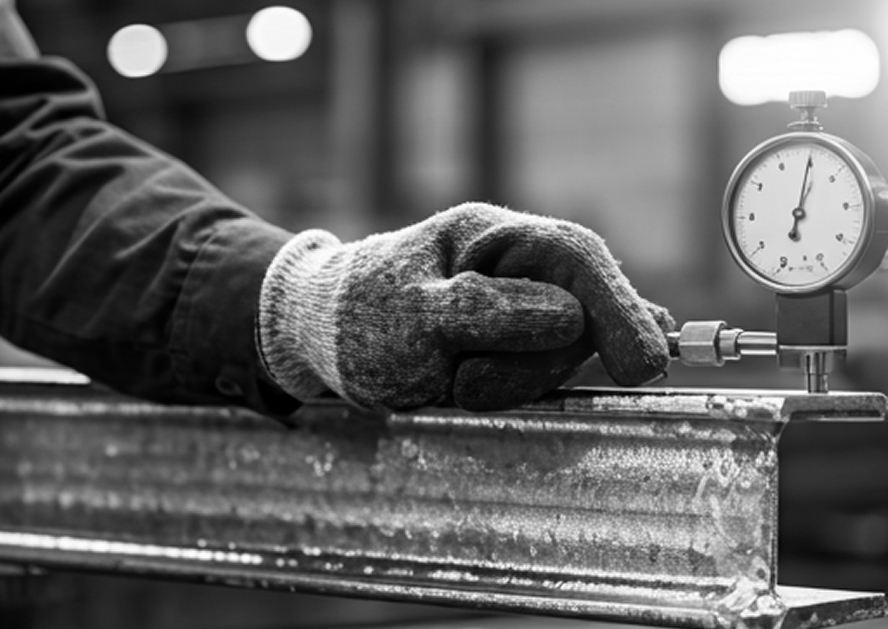
After the zinc bath, components are quenched in water or air-cooled to solidify the coating and lock it to the substrate. Each batch is visually inspected for quality assurance.
Why Contractors Choose Regan
Complete steel range under one roof.
Products plus value-added processing services.

We deliver across Luzon, Visayas & Mindanao.

55+ years serving the construction industry.

Quality steel at competitive prices.

Easy quotation, fast response.
Galvanizing is the process of applying a protective zinc coating to steel or iron to help prevent rust and corrosion. It is commonly used for structural steel, fabricated components, poles, brackets, frames, and other products exposed to outdoor or industrial conditions.
Galvanizing may be suitable for structural steel sections, pipes, plates, fabricated assemblies, railings, frames, poles, brackets, and other steel components. Suitability depends on the material, dimensions, design, surface condition, and fabrication details.
The service life of galvanized steel depends on the coating thickness, environment, exposure to moisture, chemicals, and maintenance conditions. In many outdoor and industrial applications, galvanizing can provide long-term corrosion protection.
Yes, fabricated steel can often be galvanized after welding. However, the design should allow proper drainage and ventilation during the galvanizing process. Weld quality, enclosed spaces, overlapping surfaces, and material compatibility should also be reviewed before processing.
Provide the steel type, item dimensions, quantity, total weight, fabrication drawings, surface condition, delivery location, and required schedule. Photos or technical drawings can help the team assess handling, preparation, and processing requirements.
Tell us your steel specifications, blast profile requirement, and project timeline.
Our sales team will respond within one business day with a detailed quotation.